Grab and GoTo Want AI Agents to Run Your Day — Not Just Your App Menus
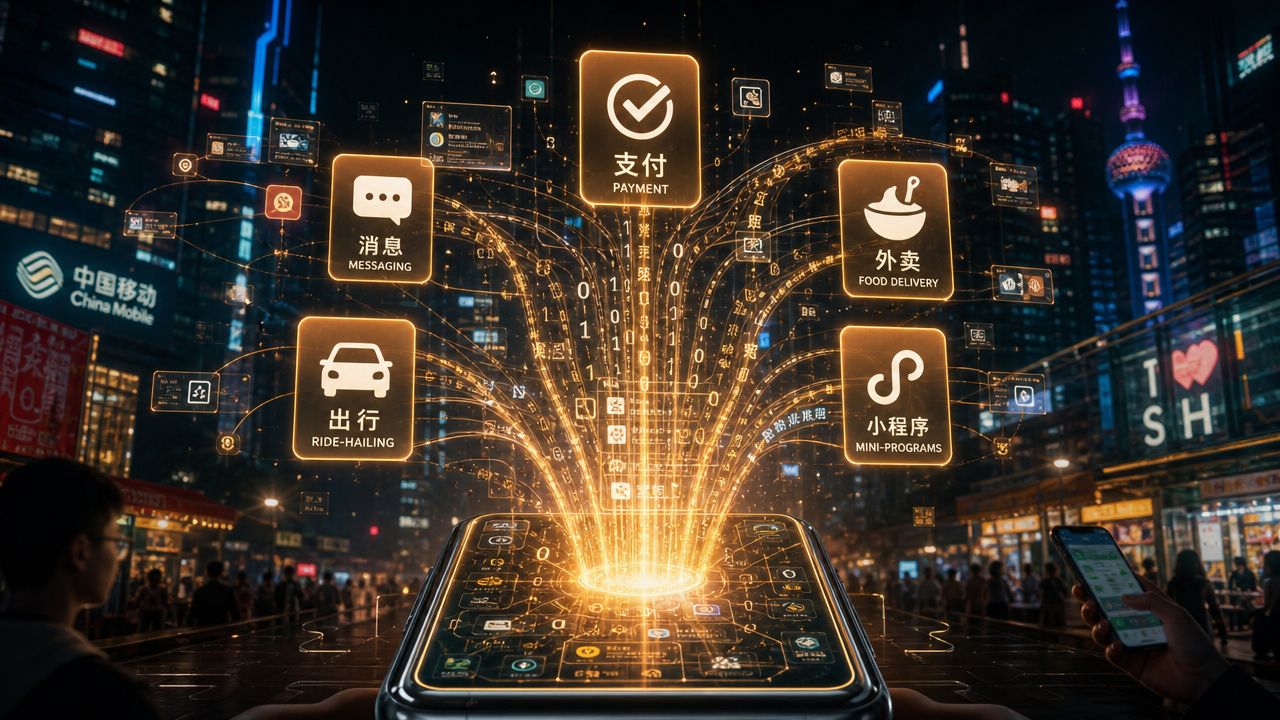
Grab and GoTo are moving from tap-to-order menus to intent-based AI agents that execute daily logistics.
The digital landscape of Southeast Asia is undergoing a radical transformation. Regional tech titans Grab and GoTo are aggressively pivoting from traditional "super-app" models to become sophisticated AI-agent hubs. This strategic evolution marks a departure from static menu-based interfaces, aiming instead to automate the complex logistics of daily life through proactive, intelligent assistance.
From Super-Apps to AI Agents
For years, the "super-app" model—aggregating ride-hailing, food delivery, and fintech into a single interface—has defined the digital economy in Southeast Asia. However, as these apps grew, so did their complexity.
According to recent reports, Grab and GoTo are now integrating advanced AI agents to cut through this clutter. Rather than requiring users to navigate multiple menus to book a ride or order lunch, these new AI agents function as autonomous assistants. They can anticipate needs, manage schedules, and execute multi-step logistical tasks automatically.
Key Shift: The interface is moving from "tap-to-order" to "intent-based automation," where the AI handles the execution of daily logistics.
The Productivity Projection
The implications of this shift extend beyond mere convenience; they represent a fundamental change in digital productivity. Market projections indicate a significant behavioral shift among users:
20% Rise in Adoption: Analysts project a 20% increase in the usage of AI-driven productivity tools within the region.
Replacing Traditional Interfaces: These AI agents are expected to rapidly replace traditional Graphical User Interfaces (GUIs) for routine tasks, streamlining the user journey and reducing friction in high-frequency transactions.
A Global Bellwether for Mobile AI
While this development is centered in Southeast Asia, its impact is global. Grab and GoTo are effectively serving as a testing ground for how AI agents can manage real-world logistics at scale.
Unlike text-based chatbots, these agents must interact with physical supply chains—drivers, merchants, and inventory—in real-time. Success in this high-volume, fast-paced environment could provide a blueprint for how Western tech giants integrate similar agentic workflows into their own ecosystems. As the world watches, Southeast Asia is positioning itself not just as a consumer of AI technology, but as a pioneer in its practical, logistical application.
Source: TechCrunch (Aug 3, 2026).
Updated 2026-08-08