If Grab Acquires foodpanda Taiwan: What It Means for Your Lunch Delivery
In the Short Term: Business as Usual
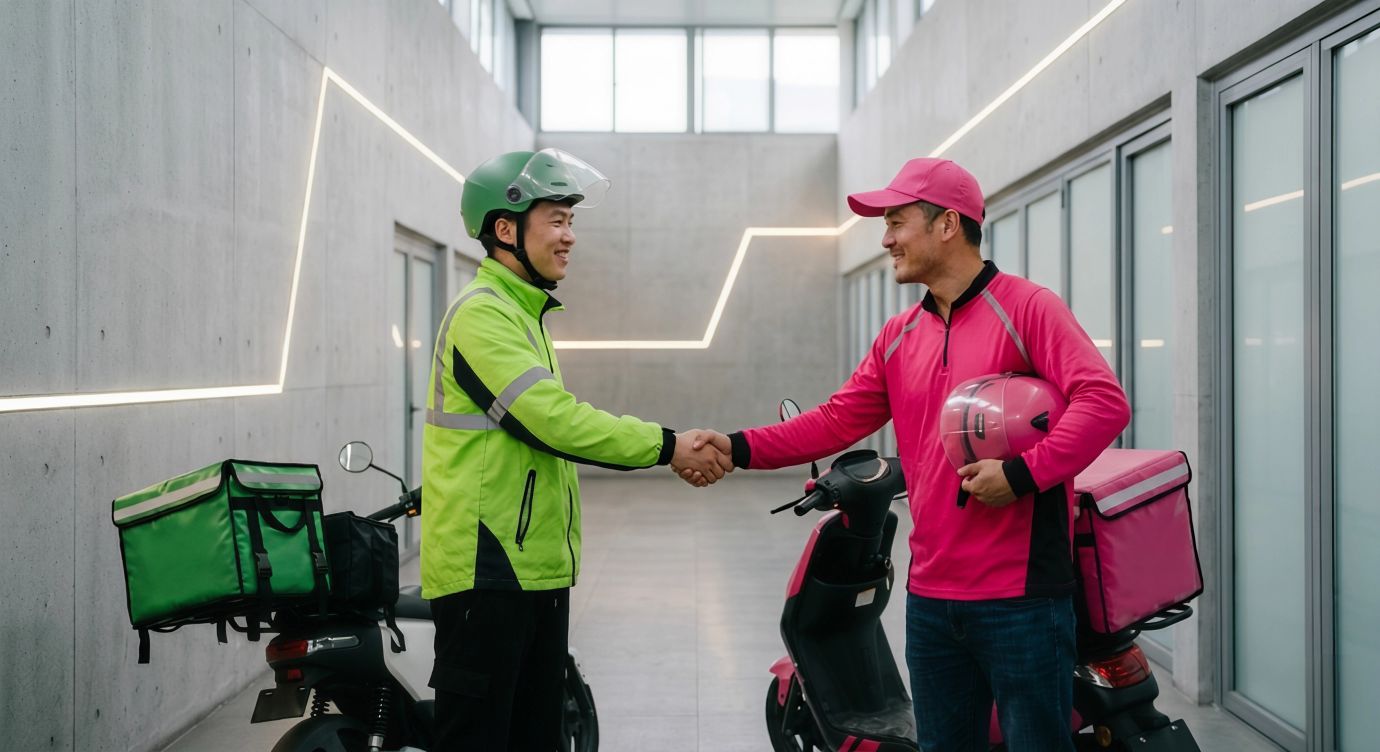
If you're using foodpanda to order delivery right now, don't worry — nothing changes in the short term. Your pandapro membership stays valid, your accumulated vouchers still work, and your restaurant choices and delivery range remain the same. Large-scale M&A deals like this typically take months, sometimes over a year, to move from announcement to actual integration. During this period, foodpanda will continue to operate independently.
For the average consumer, the most immediate experience is "nothing changed." The app icon stays pink with the panda, the ordering flow stays the same, and delivery riders keep bringing your lunch bento at noon. But below the surface, changes are already underway.
In the Long Run: What Will Grab Bring to Taiwan?
Grab is more than just "Southeast Asia's Uber." It operates across eight markets — Indonesia, Singapore, Malaysia, Thailand, the Philippines, Vietnam, Myanmar, and Cambodia — with services spanning ride-hailing, food delivery, payments, insurance, lending, and even its own mapping system: GrabMaps. For Grab, foodpanda Taiwan isn't the destination; it's the gateway to a whole new market.
In the long run, Grab may gradually introduce the following technologies and services to Taiwan:
- GrabMaps: Grab's proprietary mapping system, purpose-built for Southeast Asia's complex road conditions. Taiwan's alleyways, night market streets, and winding mountain roads are a nightmare for standard navigation. GrabMaps could potentially offer more accurate delivery route planning than existing systems.
- AI-Powered Merchant Recommendations and Personalization: Grab has been extensively using AI in Southeast Asia to recommend restaurants, predict peak demand, and dynamically adjust delivery fees. Applying these technologies to the Taiwan market means you may see more precise restaurant recommendations and potentially lower delivery prices during off-peak hours.
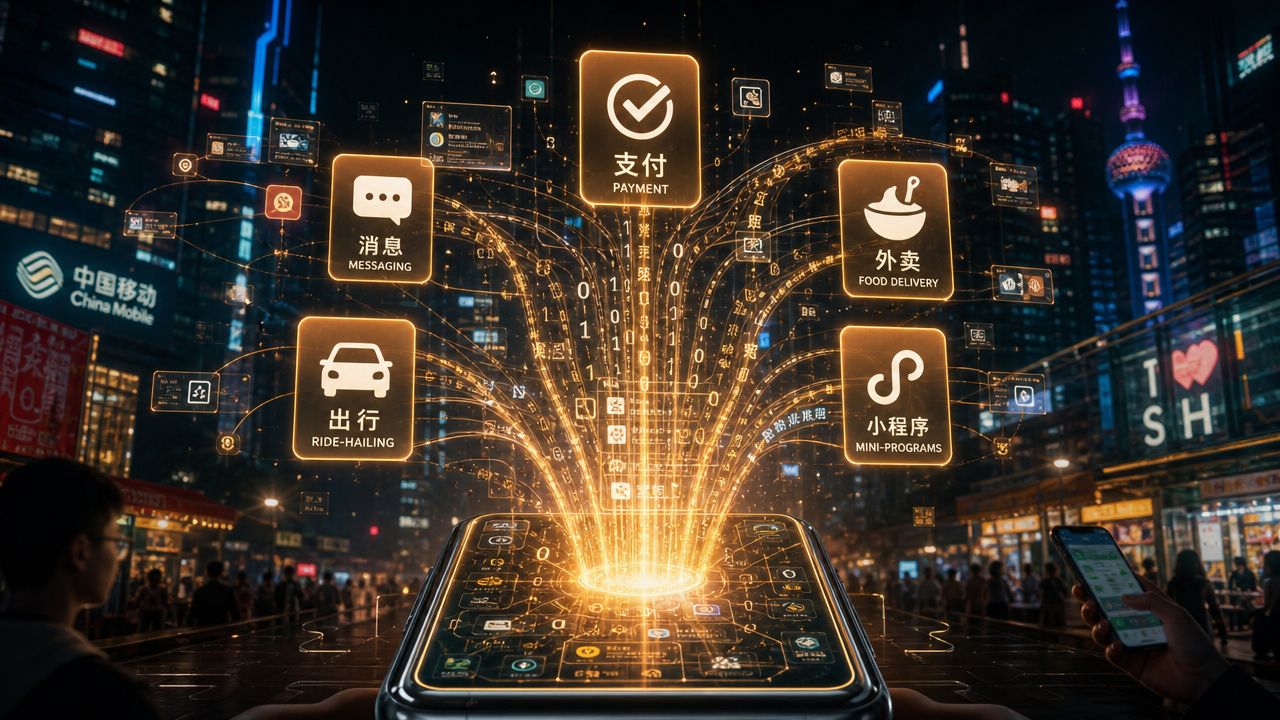
- One-Stop Super-App: In Southeast Asia, Grab is a single app for ride-hailing, food delivery, payments, and shopping. If Grab follows the same playbook in Taiwan, you might one day use one app to hail a ride to work, order lunch delivery, and pay for your afternoon coffee — no more switching between Uber, foodpanda, and Line Pay.
What Delivery Riders Care About Most: Income, Systems, and Protections
For the tens of thousands of delivery riders in Taiwan, the core question is practical: Will my income change? Grab's rider system in Southeast Asia differs significantly from Taiwan's current model. In some markets, Grab provides basic accident insurance, fuel discounts, and even microloans. At the same time, Grab's dispatch system relies more heavily on algorithmic assignment, and riders may have less freedom to choose orders than under foodpanda's current system.
Grab has not yet announced specific policies for Taiwan riders. But one thing is certain: the rider community will be watching three key factors closely — whether per-order pay is adjusted, whether the freedom to accept orders is reduced, and whether insurance protections improve. The answers to these questions will directly determine whether riders welcome or resist this acquisition.
The above covers the direct impact of this deal on consumers, riders, and merchants — in short, business as usual in the short term, with new services potentially arriving down the line. But looking one layer deeper, this deal touches on more fundamental structural questions. Here are several angles that scholars and legislators are paying attention to.
What Are Scholars and Legislators Worried About?
This proposed acquisition is not without controversy. Several legislators and scholars have raised noteworthy concerns:
Market concentration — While the FTC may approve the deal because Grab is a new entrant, in the long run, if Grab successfully builds a ride-hailing plus food delivery super-app ecosystem in Taiwan, its market power could rival that of a duopoly. Academic voices have already pointed out that the platform economy is characterized by "winner takes all," and regulators need to establish rules proactively rather than remedying after monopolies form.
Merchant bargaining power — The commission rates foodpanda charges partner restaurants (generally between 25% and 35%) have long been a pain point for the food and beverage industry. Some restaurant owners worry that with fewer platform choices available, platforms will have stronger bargaining power and commissions could go up rather than down. Others are more optimistic, believing that Grab may offer more favorable partnership terms initially to grab market share.
National security concerns — Some scholars have raised a deeper question: food delivery platforms hold vast amounts of Taiwan residents' consumption data, movement patterns, and payment habits. When this data is concentrated in a foreign company's hands, does it pose a national security risk? One scholar used a thought-provoking phrase: Platforms are infrastructure. Algorithms are power.
What Should You Do Now?
The answer: nothing. Keep ordering your lunch on foodpanda, keep accumulating your pandapro points, keep giving delivery riders five-star ratings. The most consumer-friendly aspect of this deal is that it won't disrupt your daily rhythm in the short term at all.
But if you follow how tech trends reshape daily life, this is a moment worth watching. Taiwan's food delivery market is transitioning from "two local proxies competing" to a new phase: "an international super-app enters the arena." Grab brings experience from eight Southeast Asian markets, its proprietary mapping system, AI technology, and a complete payment ecosystem into Taiwan — this isn't an ordinary corporate acquisition. It's a signal: Taiwan's food delivery market is starting to connect with the super-app competition sweeping across the Asia-Pacific.
What Will Happen First
The real impact of this deal won't surface next month. It will unfold gradually over the next three to six months. The sequence looks roughly like this:
Step one: The FTC publishes its attached conditions. If the FTC approves, it will typically impose operating restrictions — banning bundled sales, limiting data sharing, requiring baseline rider pay to be maintained. How strict or lenient these conditions are directly determines the speed and scope of Grab's expansion in Taiwan.
Step two: Uber Eats launches a price war. With its market share diluted by a new player, Uber Eats's most logical response is to lower commissions and increase subsidies. For consumers and merchants, this is actually good news in the short term — delivery fees may drop and partnership terms may improve. The rider community will also provide firsthand feedback during this phase: after the system changes, is income getting better or worse?
Step three: The ride-hailing entry signal. This is the real key. If Grab not only does food delivery but also launches ride-hailing services in Taiwan, then this $6 billion deal is merely the opening chapter of a much larger story. And this step may happen sooner than most people expect.
Taiwan's food delivery market has gone from a two-player duel to a whole new game. For consumers, more choices are generally a good thing. But the history of the platform economy also tells us: when a super-app plants its feet, it changes more than just how you order delivery — it changes many layers of your life, before you even realize it.