OnePlus N6 First Look: Dimensity 9500 and the Mid-Range Phone That Ships Before the West Notices
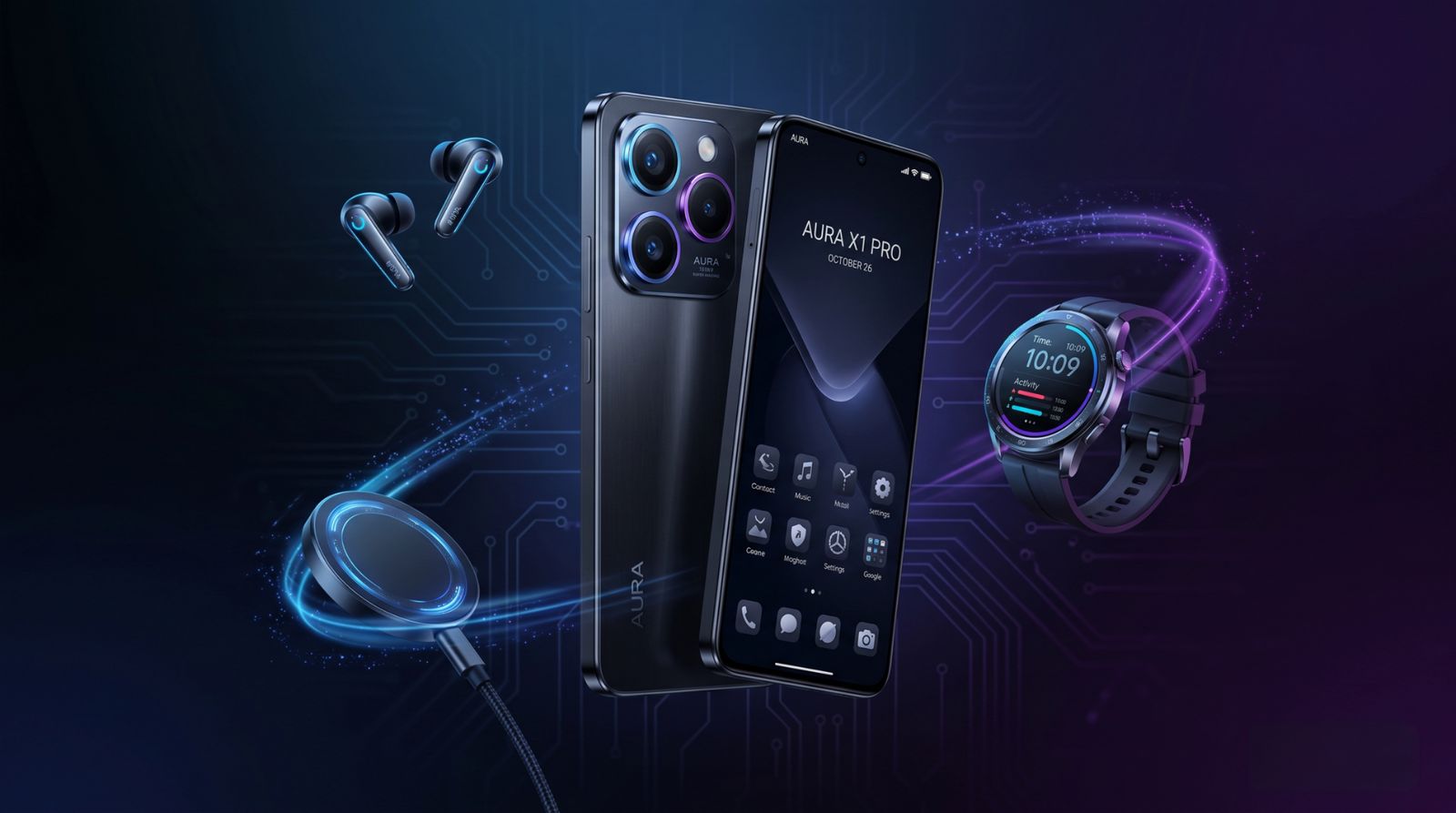
Next week, OnePlus will hold a launch event. Not the kind that gets live-blogged by The Verge. The kind that happens in a convention center halfway around the world from Silicon Valley, streamed in a language most American tech journalists don't speak, aimed at the markets that actually move volume. The phone getting the most attention won't be a flagship. It'll be the OnePlus N6, packing MediaTek's Dimensity 9500 on a 4 nm process, priced around ¥2,800 CNY / $475 USD.
I've been tracking this device through supply chain channels and Chinese-language regulatory filings for weeks. Western tech media won't review it until the global variant ships in late summer. By then, it will have been in real hands for months. Here's what I know before the keynote.
The spec sheet that matters
| Processor | MediaTek Dimensity 9500 (4 nm) |
|---|---|
| RAM / Storage | 8 GB LPDDR5X + 128 GB UFS 4.0 / 12 GB + 256 GB |
| Display | 6.74" AMOLED, 120 Hz LTPO, 1.5K resolution, 4,500 nits peak |
| Battery | 5,500 mAh, 100W SUPERVOOC wired |
| Cameras | 50 MP main (OIS) + 8 MP ultrawide + 2 MP macro; 16 MP front |
| Build | Glass front, plastic frame, IP65 rating |
| OS | OxygenOS 15 (Android 16), 3+4 year update promise |
| Price | ~¥2,800 CNY / ~$475 USD (China domestic), ~$525 (global variant estimated) |

On paper, this is a clean generational upgrade over the N5. The battery jumps from 5,000 to 5,500 mAh. The chip moves from Dimensity 8300 to 9500 — a real architecture leap that puts it within striking distance of the Snapdragon 8 Gen 3 in multi-core workloads, at roughly half the die cost to OEMs. The display gets LTPO for the first time in this price bracket, which matters far more for real-world battery life than any marketing bullet point about peak brightness.
What OnePlus is actually competing against
At this price tier, the N6 goes directly up against the Realme GT 8 (Snapdragon 8s Gen 4, ~¥2,600 CNY) and the Xiaomi 16 Lite (Dimensity 9400, ~¥2,900 CNY). The Realme has a slight synthetic benchmark lead. The Xiaomi has the better camera stack — a proper telephoto instead of the 2 MP macro sensor that exists solely to let marketing say "triple camera."
But OnePlus has two structural advantages neither competitor can easily replicate. OxygenOS 15 remains the cleanest Android skin in the sub-¥3,000 CNY segment — it doesn't serve ads in the settings menu, which cannot be said about ColorOS, Funtouch OS, or HyperOS. And the N-series has built genuine upgrade-cycle loyalty: people who bought the N3 buy the N4, and they'll buy the N6. That loop is worth more than a 5% benchmark gap.
Three things that will determine whether this phone actually wins
1. Thermal performance on Dimensity 9500
MediaTek's Dimensity series has historically run hotter under sustained load than Qualcomm equivalents. Lab benchmarks are measured at 25°C ambient — not in an un-air-conditioned apartment in Guangzhou in July. If the 9500's 4 nm process and OnePlus's vapor chamber cooling hold up under real thermal conditions, the extra 500 mAh of battery becomes a genuine selling point. If it throttles, the spec-sheet advantage disappears within five minutes of gaming.
2. The 2 MP macro camera is an embarrassment
I'll say it plainly: shipping a 2-megapixel macro sensor on a ¥2,800 phone in 2026 is insulting. The Xiaomi 16 Lite includes a 50 MP telephoto at a similar price. The macro produces images that look like they were taken through frosted glass. OnePlus should have dropped it, saved the BOM cost, and called it a dual-camera system. Nobody in the target market buys this phone for macro shots, and pretending otherwise makes the spec sheet look dishonest.
3. OxygenOS 15 is the real moat
This is the thing that doesn't fit in a comparison table. OxygenOS 15 on Android 16 is fast, clean, and doesn't monetize your notification shade. For anyone switching from a Xiaomi, Vivo, or OPPO device — where the OS is an ad platform that happens to run apps — the software experience alone justifies the ¥200–300 premium over the Realme alternative. It's not a spec. It's the thing you notice on day 30, not day 1.
Who should buy this
If you're upgrading from an N3, N4, or any phone more than two years old in the sub-$500 bracket, the N6 is a straightforward yes — assuming the Dimensity 9500's thermals hold up in real-world testing. The battery alone is a reason to switch. If camera quality is your top priority, wait for the Xiaomi 16 Lite reviews. And if you're reading this from North America or Europe, you'll have to wait for the global variant in August. By which point, as I said, the people who actually matter will have already made up their minds.
Updated 2026-08-08