Xbox Is Chasing AI Service Margins — Not Just Console Box Sales
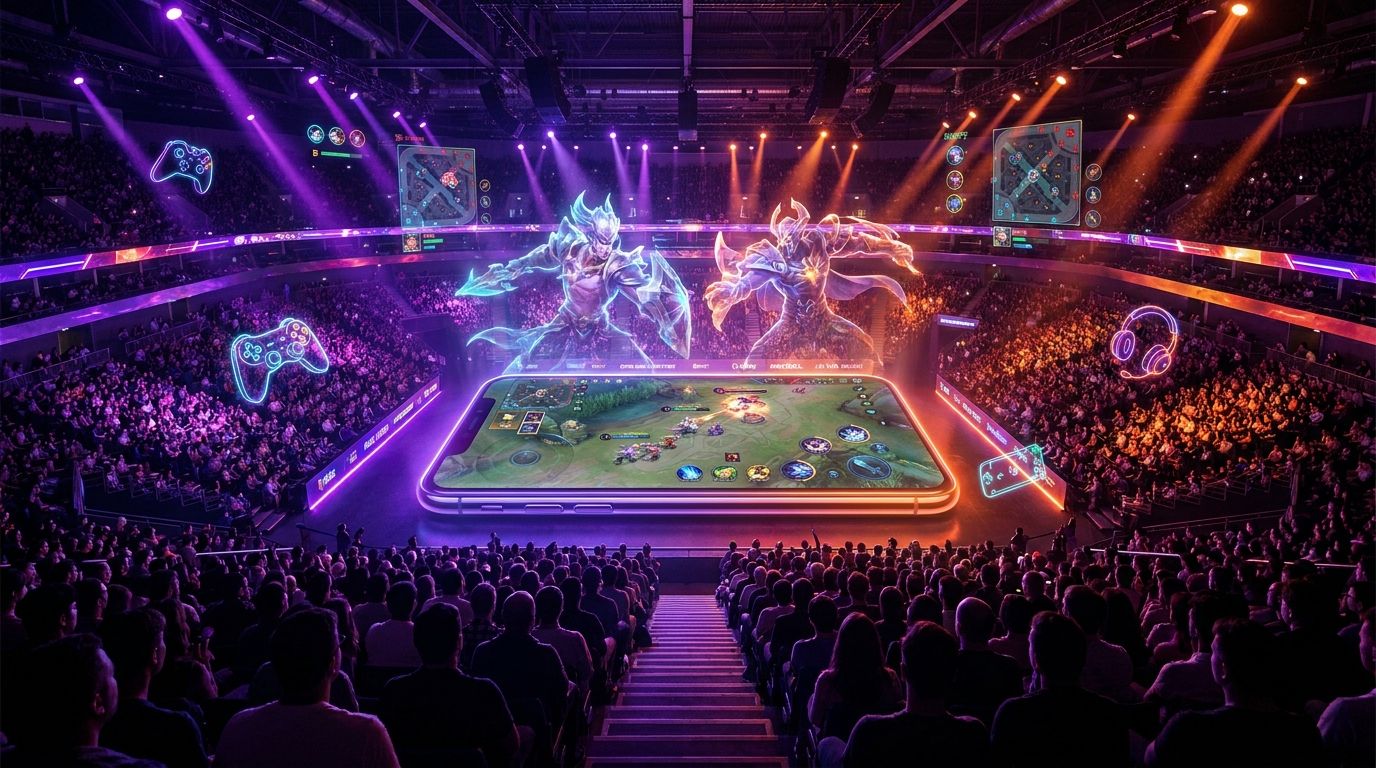
Hardware is a commodity; intelligence is the margin story Xbox wants by 2030.
For two decades, the video game console wars were fought on the battleground of teraflops, clock speeds, and exclusive titles. But as we look toward the end of the decade, Microsoft is signaling a fundamental rewriting of the rules of engagement. According to recent reports, Xbox is executing a decisive pivot away from hardware-centric volume sales, aiming instead to capture the market's highest profit margins by 2030 through AI-integrated services.
This strategy marks the end of the "box in the living room" era and the dawn of the "intelligent ecosystem" era.
The Hardware Trap vs. The Service Ascent
Historically, console manufacturers have operated on thin margins—often selling hardware at a loss to recoup costs later through software licensing and subscription services. However, this model is capital-intensive and vulnerable to supply chain shocks.
Microsoft’s new strategy acknowledges a hard truth: Hardware is a commodity; intelligence is a luxury.
By shifting focus to AI-integrated services, Xbox is moving up the value chain. Instead of relying solely on the sale of a physical unit (like the Series X or the rumored Project Helix arriving later this decade), the company is betting on a recurring revenue model powered by artificial intelligence. This includes:
Hyper-personalized Game Pass recommendations: Using AI to curate libraries that keep users subscribed longer.
In-game AI Assistants: Monetizing "Copilot" features that offer real-time strategy, walkthroughs, and content creation tools.
Cloud Infrastructure: Leveraging Azure to power AI-heavy gaming experiences that local hardware can't handle alone.
Copilot: The New "Killer App"
At the center of this margin expansion is Copilot for Gaming. No longer just a chatbot, it is being positioned as an indispensable layer of the gaming experience.
The logic is sound: A user might cancel a subscription if they run out of games to play. But if an AI assistant actively helps them master a game, generates custom quests, or manages their social interactions, the "switching cost" of leaving the ecosystem becomes much higher.
The 2030 Vision: Microsoft isn't just trying to sell you a console; they are trying to become the operating system for your leisure time. By integrating AI that saves time and enhances skill, they transform Xbox from a toy into a utility.
The Financial Upside
The target is clear: Lead the market in profit margins by 2030.
Software and services typically command gross margins of 70-80%, compared to the often single-digit or low double-digit margins of consumer electronics. By reducing reliance on the "install base" numbers (the raw count of consoles sold) and focusing on the Average Revenue Per User (ARPU) via AI services, Microsoft can grow its gaming division's profitability even if hardware sales plateau.
This pivot also insulates Xbox from the "console cycle" fatigue. If the value proposition is the AI service layer—which can run on PCs, handhelds, TVs, and phones—the specific specs of the underlying hardware matter less.
Global Implications
This move by Microsoft sets a precedent that Sony and Nintendo will likely have to address. We are moving toward a future where the "winner" of the console war isn't the company with the best graphics, but the company with the smartest algorithms.
As we approach 2030, expect Xbox to market itself less as a machine that plays games, and more as an intelligent companion that understands how you play them. The hardware is merely the vessel; the AI is the product.
Source: CNBC (Jul 30, 2026).
Updated 2026-08-08