2026 Is the Year of the Life Sim —And Four Countries Each Have Their Own Champion
China: Infinity Nikki —A Dress-Up Game With the Budget of a Blockbuster
Developer: Papergames. Released: December 2025. Platforms: PC, iOS, Android. Global Ambassador: Ariana Grande.
The pitch sounds niche until you see the numbers. Infinity Nikki is an open-world game where your main activity is collecting outfits —each one granting a different ability. One outfit lets you float across gaps. Another lets you purify corrupted areas. It is part exploration game, part fashion RPG, and wholly unlike anything else on this list.
What sets it apart is the tone. The world is gentle. The stakes are personal. You are not saving the galaxy —you are helping a stylist stop something called "despair" by, among other things, picking the right dress. For millions of players, that low-pressure framing is the entire point.
That player, posting on a Chinese gaming forum, is describing something many life sim fans understand intuitively: when your real life is complicated, a game where you can manage a simpler one provides genuine emotional relief.
South Korea: inZOI —The "K-Life Sim" That Almost Did Not Stick the Landing

Developer: Krafton (the studio behind PUBG). Released: December 2025 (Early Access on Steam). Engine: Unreal Engine 5.
If Infinity Nikki is gentle, inZOI is ambitious. Built in Unreal Engine 5, it aims to be the most realistic life simulation game ever made —character models with visible pores, weather that affects your character's mood, a city that feels lived-in. It launched in early access in December 2025 and hit 180,000 peak concurrent players on Steam, a massive number for a new IP.
Yes, but —the launch was rough. Early reviews averaged 67% positive, with players complaining about performance problems and shallow gameplay underneath the beautiful surface. The developers spent the next four months patching aggressively. By spring 2026, the review score had climbed to 80%. The lesson: a great-looking life sim is not the same as a great-playing one, and inZOI is still earning its reputation.
Krafton's bet is that the genre is underserved enough that a polished competitor to The Sims has room to grow, even if it stumbles at first. With PUBG money behind it, inZOI has the runway to keep improving.
Japan: Animal Crossing —The Quiet Giant That Will Not Stop Selling
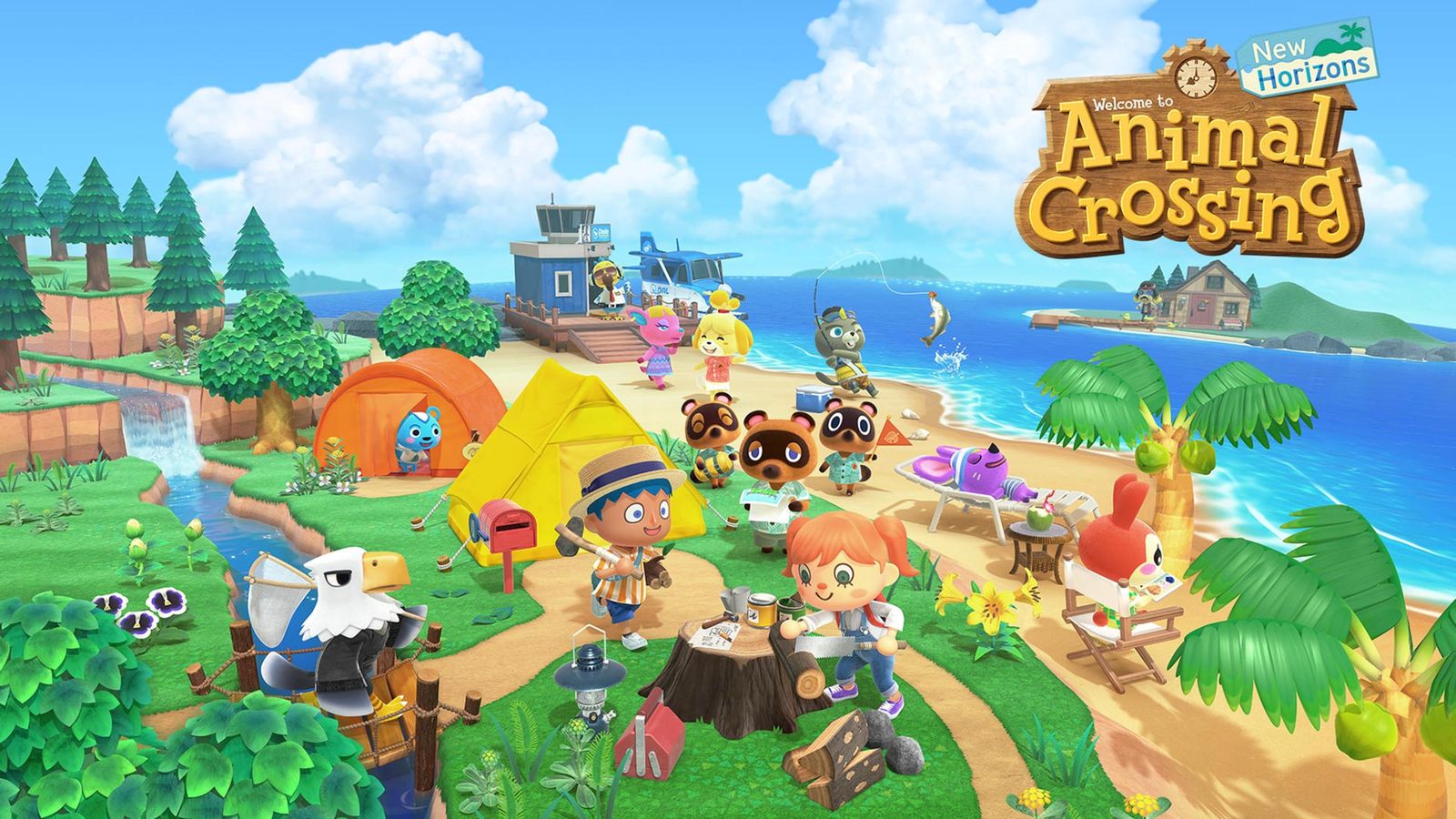
Publisher: Nintendo. Platform: Switch (exclusive), bundled with Switch 2. Lifetime sales: Nearly 50 million copies over five years.
No game on this list has had a bigger cultural impact than Animal Crossing: New Horizons. Released in March 2020 —timing that turned out to be historically lucky —it became the unofficial mental health app of the pandemic. Five years later, it is still moving millions of copies, and Nintendo is bundling it with the just-released Switch 2.
The game's appeal resists explanation. You move to a deserted island. You catch fish. You pay a mortgage to a raccoon. You arrange furniture. It sounds like chores, but millions of players describe it as the most relaxing thing they own. There is no combat, no fail state, no pressure. You simply exist in a world that is kind to you.
Animal Crossing also proves something important about this genre: the audience is not limited to "gamers." A meaningful chunk of the 50 million players had never owned a console before. They bought a Switch specifically for this game.
United States: The Sims 5 —The Franchise That Defined the Genre Returns
Publisher: Electronic Arts. Released: March 2026. Franchise revenue: Over $70 billion since 2000.
The Sims is the reason this genre exists. The original game in 2000 proved that people would pay to play a game about everyday life. Twenty-six years and four sequels later, the franchise has generated more revenue than most Hollywood movie series.
The Sims 5, released in March 2026, comes with a burden: it has to satisfy players who have spent thousands of hours in The Sims 4, while also convincing new players that this is more than just people walking around a house. Early reception has been mixed —some longtime fans miss the open-world freedom of The Sims 3, while others appreciate the smoother performance and deeper relationship systems. What is not in dispute: it will sell, because no other game does what The Sims does at this scale.
So Which One Should You Play?
The answer depends on what you want from a game where nothing bad really happens:
Pick Infinity Nikki if you want something beautiful and gentle, with a surprising amount of depth hidden behind the fashion. It works best as a short daily ritual rather than a marathon.
Pick inZOI if you want the most realistic-looking life sim and do not mind that it is still being polished. Think of it as an investment —it will be better in six months than it is now.
Pick Animal Crossing if you want the proven, polished, no-stress experience. It is the safest bet on this list, especially now that it comes bundled with the Switch 2.
Pick The Sims 5 if you want maximum depth and do not mind occasional chaos (your sim will set the kitchen on fire while you are not looking).
Why This Genre Matters Now
The simultaneous rise of four life sims from four countries is not random. It reflects something about how people use games in 2026. The biggest entertainment genres of the last decade —battle royales, MOBAs, competitive shooters —are all about winning. Life sims are about being. They offer a low-stakes world you can shape at your own pace, and that turns out to be an underrated feature when the real world feels high-stakes.
Here is my take: the genre's real strength is not escapism. It is agency. In a year where plenty of things feel out of control, a game where you can control everything —from the color of the wallpaper to the fate of an entire town —scratches an itch that battle passes and leaderboards cannot reach. The game where nothing happens is now big enough for four countries to compete over it.
You do not need to play all four. Most people will pick one and stick with it for a year or more. But the fact that you now have genuinely different options —Korean realism, Chinese whimsy, Japanese coziness, American chaos —says something about how far the genre has come.